

Psychological safety isn’t about comfort. It is about whether people feel safe to speak up. When this has consequences, people stay quiet. Over time this becomes the norm and risk starts to build...
Decision making in organisations can appear structured and inclusive: Meetings where slides are presented and people contribute. On the surface, it looks like people have a say but often decisions have already been made....

Toxic workplace culture in healthcare rarely appears overnight. A line from a recent report captures this clearly: “Concerns were raised as far back as 2017. They made no difference.” That tells you everything you need to know. This is not about isolated incidents. It is...

Workplace bullying in healthcare is often explained away as an issue with a few individuals. But when 70% of nurses report experiencing bullying, harassment or abuse, that explanation does not hold....
Psychological safety in teams is often judged by what organisations say. They may have values on the wall, policies in place and statements about openness and inclusion. But what matters is not what is written or stated, it is the behaviours that people have learned....
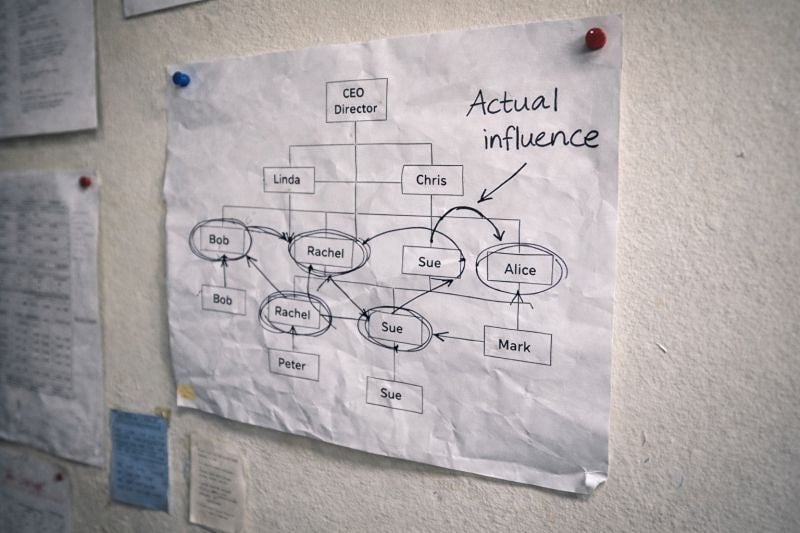
Informal power in organisations often has more impact than formal structure. On paper, everything looks clear, with defined roles and reporting lines. It looks structured, orderly and easy to follow. But that is not how work actually happens....

You hear it all the time. Two people are not getting on. There is tension. The issue gets labelled as interpersonal, so the response is usually simple:Keep an eye on it Let them sort it outSeparate them if needed It sounds reasonable. Low intervention. Low risk. But in...

Culture problems are sometimes described as being about “one or two bad apples”. This framing is understandable as leaders notice behaviour first. But when conflict keeps resurfacing, even after people have been managed or moved, it’s often a sign that something broader is at play....
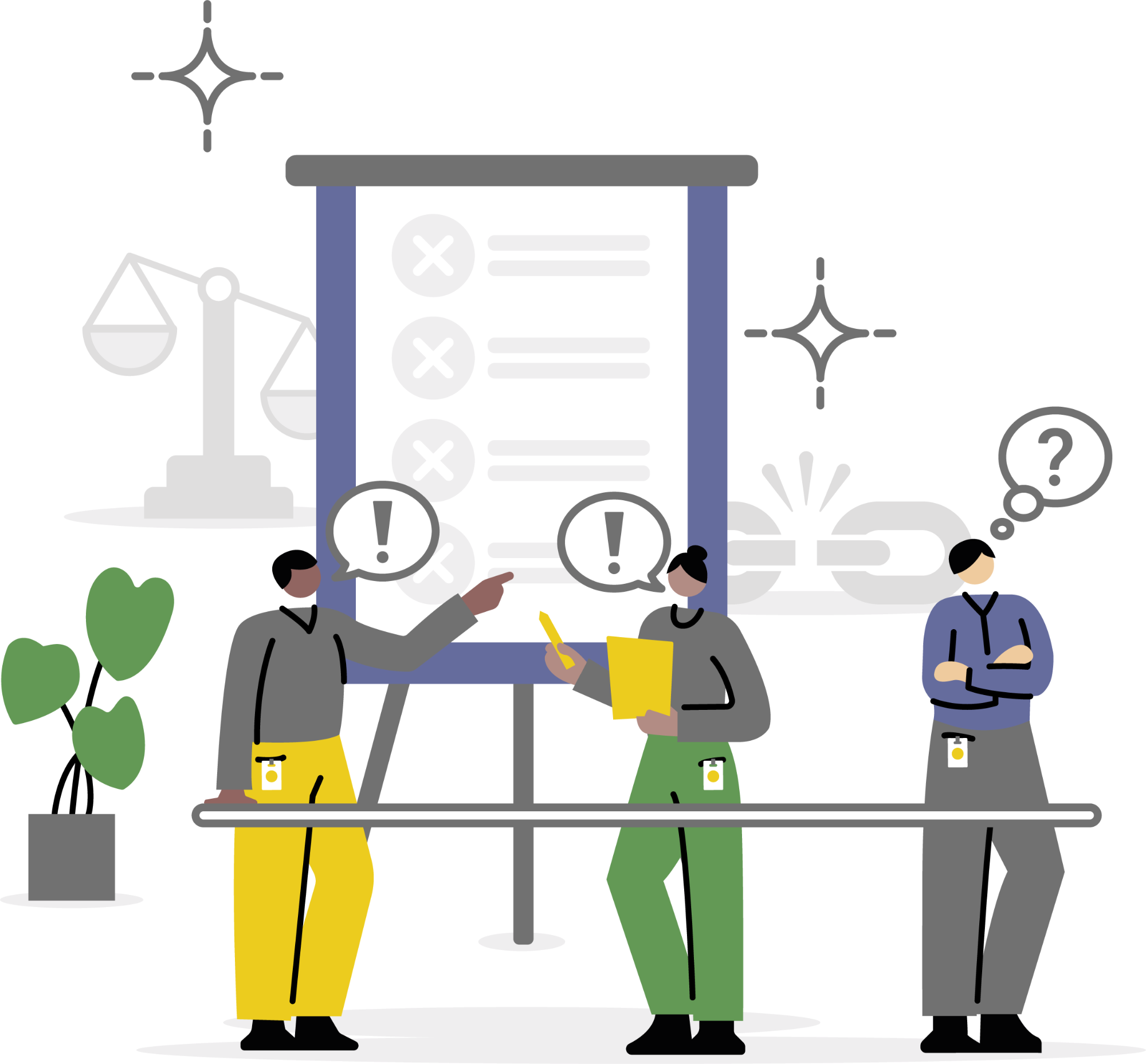
“We’ve tried training, HR processes, OD support… and nothing has changed.” It's something I often hear when organisations get in touch. This post is the first in a short blog series on culture repair....

During organisational change, employee retention often becomes harder to predict. Emerging evidence suggests that coaching may influence wider organisational outcomes, including employee retention....

Resistance to feedback at work can be interpreted as people being defensive, closed, or unwilling to change. But instead of reflecting attitude or intent, it may relate to how feedback is experienced psychologically within a specific cultural context....

Before teams can collaborate well, challenge decisions, learn from mistakes or improve performance, psychological safety and trust between colleagues have to be in place... teams perform better when people feel safe to speak up, ask for help and admit uncertainty...

Workplace cliques show up in many organisations, across sectors and industries, yet we rarely talk about them openly, and even less often do we understand how to manage them....

Last week I delivered a conference keynote speech on culture change in healthcare, focused on how doctors can make appraisal conversations more human-centred. I’ve often been invited as a conference speaker to talk about organisational culture, leadership behaviour and psychological safety,...

What is one small behaviour you could do today that demonstrates respect and humanity at work? Workplace civility is built one interaction at a time. When we get the small things right, the bigger things become easier....

Organisational culture matters. But what does good culture look like and how does it translate into performance? I explore how organisational culture influences outcomes, what the evidence says about links with performance, and how you can map the path from culture, to engagment, to results....

Flexible working only works when it supports culture and performance. It’s often treated as a perk. But the research is clear: when flexibility is designed around people, not convenience, you improve mental health, job satisfaction and output. Flexible working reshapes: how people...

Role clarity shapes how you work, how you feel and how well your team performs. When roles are unclear, you get confusion, lower performance, and rising stress. This post explains why role ambiguity drains performance and wellbeing, and what you can do to fix it. Role ambiguity shows up when...
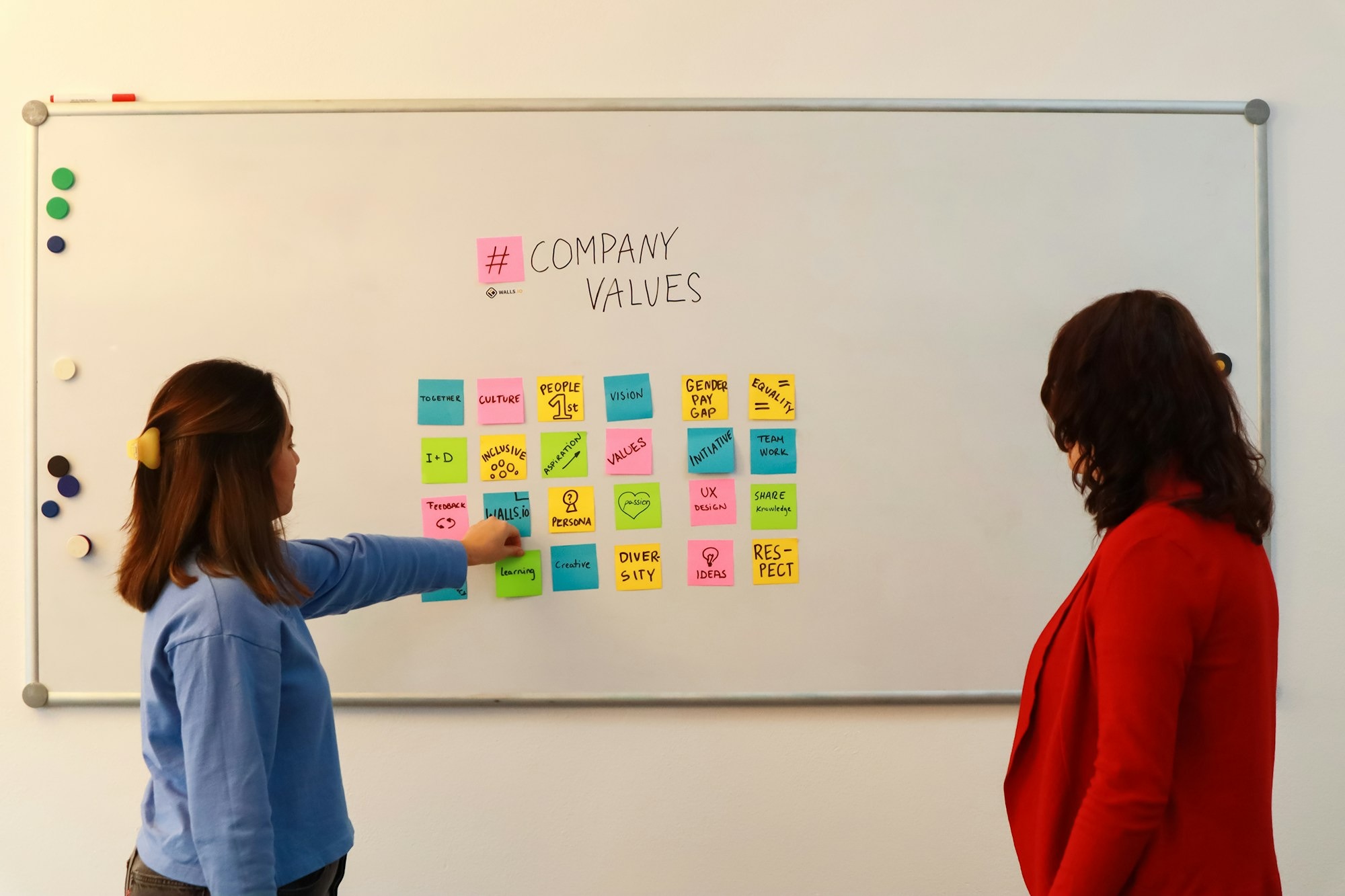
Values workshops excite teams and leaders alike. But the real work begins when everyone returns to their day-to-day roles. Sustaining momentum after a values workshop means embedding new norms into everyday behaviour. Too often, values become a one-off event rather than an ongoing way of...

Leaders rarely fail because they don’t care. They fail because they assume awareness equals action. Many leaders say they’re self-aware, but evidence suggests otherwise. Research consistently shows that self-awareness is overestimated and often untested through objective feedback. Without...